J.R.R. Tolkien’s Middle-earth is not merely a backdrop for his legendary tales; it is a complex world filled with intricate histories, languages, cultures, and a rich tapestry of narratives. Through an exploration of its layers, we gain a deeper understanding of the themes, characters, and moral philosophies that underpin his work. This article aims to delve into the multifaceted narrative of Middle-earth, examining its various components and offering insights into why these stories resonate with readers even today.
The World of Middle-earth: A Geographical Overview

At the heart of Tolkien’s narrative lies the intricate geography of Middle-earth itself. The geography is not just a setting; it plays a critical role in shaping the story and the characters who inhabit it. Understanding the geographical layers of Middle-earth allows readers to appreciate the motivations and journeys of its inhabitants.
- Key Locations: From the peaceful Shire to the desolate lands of Mordor, each location in Middle-earth is imbued with its own history and significance. For instance, the Shire represents innocence and simplicity, while Mordor embodies destruction and corruption.
- Geographical Features: The mountain chains, vast forests, and rivers not only provide a physical landscape but also serve as metaphors for the internal struggles faced by the characters. The Misty Mountains, for example, are a barrier that must be crossed, symbolizing the challenges that lie ahead.
- Cultural Regions: Different regions of Middle-earth exhibit distinct cultures and languages. The Elves of Rivendell are portrayed as wise and ethereal, contrasting sharply with the rugged and hearty Men of Rohan.
The Languages of Middle-earth: A Linguistic Tapestry

Tolkien was a philologist, and his love for languages is evident in the rich linguistic layers of Middle-earth. Each race has its own language, which contributes to the world-building and deepens the narrative.
- Elvish Languages: Quenya and Sindarin are two of the most prominent Elvish languages. Their lyrical qualities not only reflect the beauty of the Elves but also enhance the depth of their cultural heritage.
- Dwarvish Language: Khuzdul, the language of the Dwarves, is deliberately kept secret, emphasizing their isolation and unique identity within Middle-earth.
- Human Languages: The languages spoken by Men, such as Rohirric and the tongues of Gondor, reveal the diversity among human cultures and their distinct historical backgrounds.
The Mythology and History: The Backstory of Middle-earth
The mythology of Middle-earth is vast, with tales that stretch back thousands of years. This historical depth adds gravity to the events of “The Hobbit” and “The Lord of the Rings,” allowing readers to appreciate the stakes involved.
- The Silmarillion: This work provides the foundational mythology of Middle-earth, detailing the creation of the world and the conflicts between various races. It introduces key figures such as Melkor and the Silmarils, setting the stage for the events that unfold in later narratives.
- The Age of Men: Understanding the transition from the Elves to Men is central to appreciating the decline of the Elvish kingdoms and the rise of human civilizations.
- Epic Conflicts: The wars depicted in Tolkien’s narratives, such as the War of the Ring and the earlier battles of Beleriand, are not just action sequences; they are deeply rooted in the history of Middle-earth, reflecting themes of sacrifice, loyalty, and the struggle between good and evil.
Thematic Elements: Good vs. Evil

One of the most compelling aspects of Tolkien’s storytelling is the exploration of moral themes. The struggle between good and evil is a central theme that resonates throughout Middle-earth.
- The Corruption of Power: The One Ring serves as a symbol of power’s corrupting influence. Characters like Gollum and Boromir illustrate how the desire for power can lead to moral decay.
- Hope and Resilience: Despite overwhelming odds, characters like Frodo and Sam exemplify hope and resilience. Their journey emphasizes the importance of friendship and courage in the face of despair.
- Redemption: Characters such as Gollum and Saruman reveal that redemption is a complex process. Their arcs challenge readers to consider whether true redemption is achievable or if some are irredeemably lost.
Character Arcs: The Complexity of Heroes and Villains
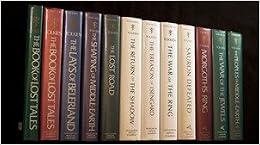
Tolkien’s characters are not one-dimensional; they possess complexities that make them relatable and real. Their journeys often reflect larger themes within the narrative.
- Frodo Baggins: As an unlikely hero, Frodo’s character arc showcases the burden of responsibility and the weight of carrying hope for the world.
- Aragorn: His transformation from Strider the ranger to King Elessar serves as a powerful narrative of identity, leadership, and the acceptance of destiny.
- Gollum: A study in duality, Gollum embodies the struggle between good and evil within oneself. His internal conflict adds depth to the narrative and serves as a cautionary tale about the dangers of obsession.
The Role of Nature: A Reflection of the Narrative

Nature plays a significant role in Tolkien’s narratives, often reflecting the emotional states of characters and the overarching themes of the story.
- Contrasting Landscapes: The lush beauty of the Shire stands in stark contrast to the barren wasteland of Mordor, symbolizing the broader themes of preservation versus destruction.
- Environmental Themes: Tolkien’s narratives often emphasize the need to respect and protect nature, as seen in the Ents’ rebellion against industrialization.
- Symbolism of Seasons: The changing seasons within the narrative parallel the characters’ journeys, signifying growth, decay, and renewal.
The Enduring Legacy of Middle-earth
Tolkien’s Middle-earth is a multi-layered narrative that intertwines geography, language, mythology, and complex character arcs to create a rich literary experience. Through its exploration of timeless themes such as good versus evil, the corrupting nature of power, and the resilience of the human spirit, Middle-earth resonates with readers across generations.
As we peel back the layers of this comprehensive narrative, we not only gain insights into the world Tolkien created but also reflect on our own lives and the moral choices we face. The legacy of Middle-earth endures, inviting us to explore its depths and discover the timeless truths hidden within its pages.