Bringing a puppy into your home is an exciting and rewarding experience. However, it also comes with its challenges, especially when it comes to training. Training your puppy not only helps them become well-behaved companions but also ensures their safety and the safety of others. In this article, we will explore the essential commands every dog should know, providing you with valuable insights, examples, and tips to help you become an effective trainer.
The Importance of Training Your Puppy
Training is crucial for several reasons:
- Safety: Commands like “sit” or “stay” can prevent your dog from running into dangerous situations.
- Socialization: Training helps your puppy learn how to behave around other dogs and people.
- Bonding: Training sessions can strengthen the bond between you and your puppy.
- Mental Stimulation: Teaching commands is a great way to keep your puppy mentally engaged.
In fact, according to the American Kennel Club, early training can significantly reduce behavioral issues later in life, making it essential to start as soon as you bring your puppy home.
Essential Commands to Teach Your Puppy
Here are the fundamental commands that every puppy should learn:
1. Sit

The “sit” command is one of the easiest commands to teach your puppy and serves as a foundation for many other commands.
- How to Teach: Hold a treat close to your puppy’s nose, then move your hand up, allowing their head to follow the treat. This motion will cause their bottom to lower. Once they are in a sitting position, say “sit” and give them the treat.
- Benefits: Teaching “sit” helps your puppy learn impulse control and can prevent jumping on people.
2. Stay

The “stay” command is vital for your puppy’s safety, as it keeps them in one place until you give them permission to move.
- How to Teach: Start with your puppy in a sitting position. Open your palm in front of their face and say “stay.” Take a few steps back. If they stay, reward them. Gradually increase the distance.
- Benefits: This command is especially useful in situations where you need your dog to remain calm, such as during vet visits or when guests arrive.
3. Come
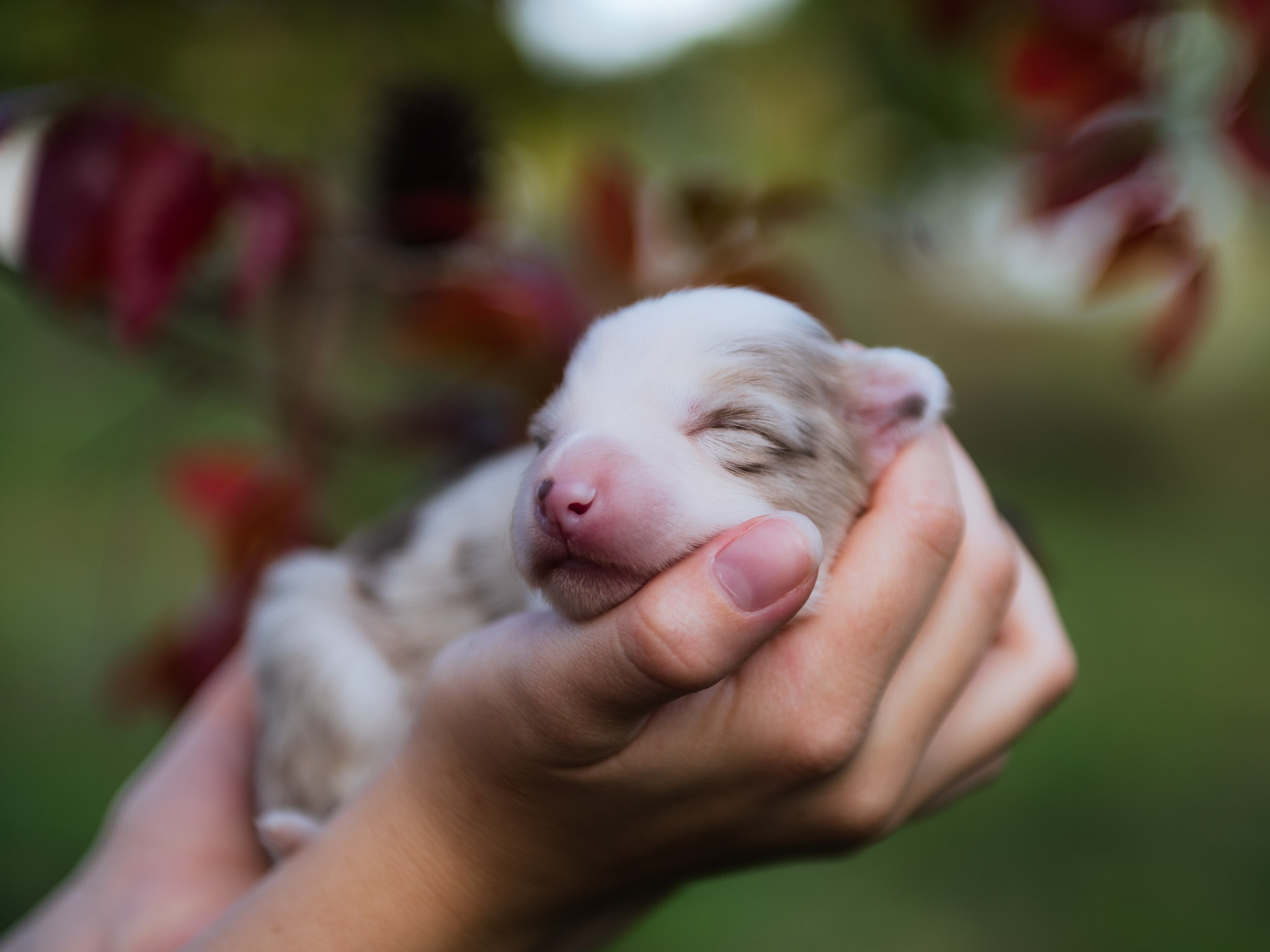
The “come” command is essential for getting your puppy to return to you, especially in potentially dangerous situations.
- How to Teach: Use a leash and call your puppy’s name followed by “come.” Gently pull the leash towards you if they don’t respond immediately. When they come to you, reward them.
- Benefits: This command can prevent your dog from running into traffic or engaging with aggressive animals.
4. Down
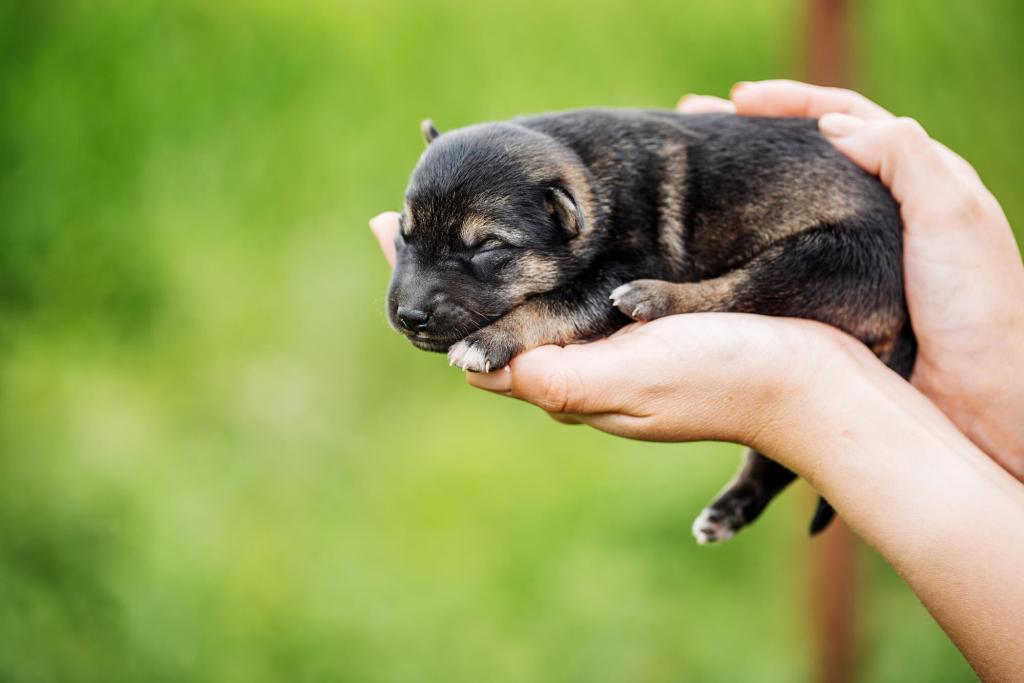
The “down” command teaches your puppy to lie down, which can be useful for calming them in various situations.
- How to Teach: Start with your puppy in a sitting position. Hold a treat in your hand and lower it to the ground. When your puppy follows the treat and lies down, say “down” and give them the treat.
- Benefits: This command is beneficial for reducing excitement and can help establish a calm atmosphere.
5. Leave It
The “leave it” command is crucial for keeping your puppy safe from harmful objects or food.
- How to Teach: Place a treat in your hand and close your fist around it. When your puppy tries to get the treat, say “leave it.” Once they back away, reward them with a different treat.
- Benefits: This command can prevent your dog from eating something dangerous or engaging with unwanted items.
Building on the Basics: Advanced Commands
Once your puppy has mastered the essential commands, you can introduce more advanced commands to further enhance their training and obedience.
6. Heel
The “heel” command teaches your puppy to walk beside you on a leash, which is especially helpful during walks.
- How to Teach: Start walking with your puppy on a leash. Use treats to encourage them to stay by your side. If they pull ahead, stop and call them back to your side.
- Benefits: This command makes walks more enjoyable and reduces the risk of your puppy pulling you into dangerous situations.
7. Wait
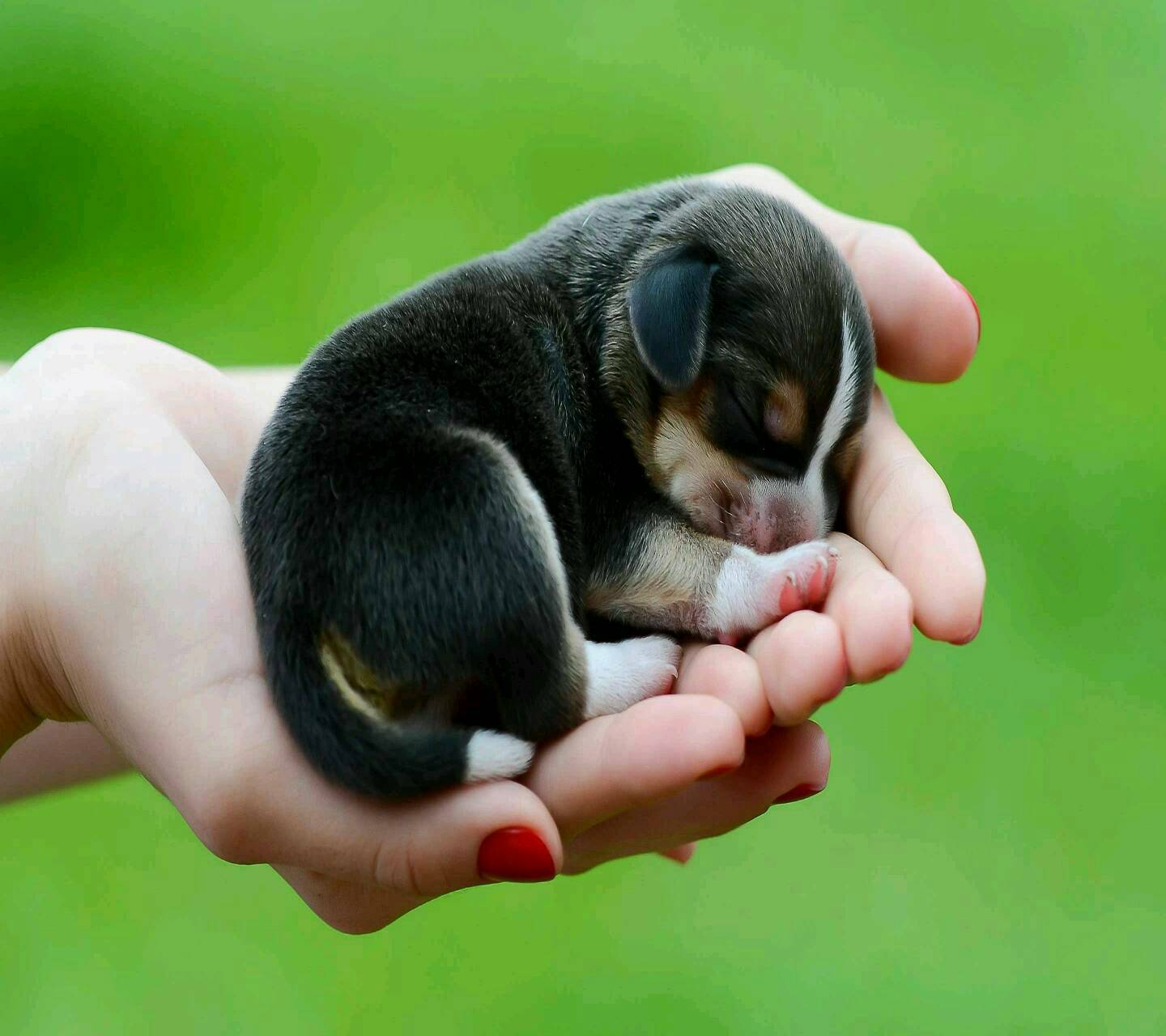
The “wait” command is similar to “stay,” but it is often used for short periods, such as at doors or when you’re preparing food.
- How to Teach: Use a leash and lead your puppy to a door. Say “wait” as you open the door. Reward them for not rushing through.
- Benefits: This command is essential for preventing your dog from bolting out of doors or vehicles.
Tips for Successful Training
Training your puppy requires patience, consistency, and positive reinforcement. Here are some tips to ensure success:
- Be Consistent: Use the same commands and rewards to avoid confusing your puppy.
- Short Sessions: Keep training sessions short (5-10 minutes) to maintain your puppy’s attention.
- Positive Reinforcement: Always reward good behavior with treats, praise, or playtime.
- Practice Regularly: Incorporate training into your daily routine to reinforce learned commands.
- Be Patient: Every puppy learns at their own pace; don’t rush the training process.
The Role of Socialization
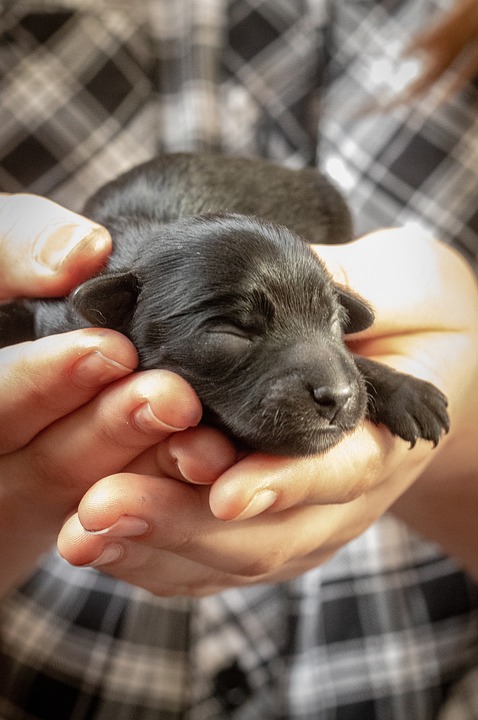
In addition to teaching commands, socialization is a critical aspect of puppy training. Exposing your puppy to different environments, people, and other animals can help them develop into a well-rounded adult dog.
- Start Early: Begin socialization as soon as your puppy is vaccinated.
- Positive Experiences: Ensure that new experiences are positive to prevent fearfulness.
- Controlled Environments: Use controlled environments, such as puppy classes or playdates, to facilitate socialization.
Case Studies and Statistics
Numerous studies indicate the importance of training and socialization. A study published in the journal “Applied Animal Behaviour Science” found that puppies who received early training were less likely to exhibit behavioral problems as adults. Moreover, the American Society for the Prevention of Cruelty to Animals (ASPCA) reports that training can significantly reduce the likelihood of behavioral issues, which can lead to relinquishment or abandonment.
Training your puppy is an essential investment in their future happiness and well-being. By teaching them basic commands such as “sit,” “stay,” “come,” “down,” and “leave it,” you not only enhance their safety but also foster a strong bond between you and your furry friend. Remember, patience and consistency are key to successful training. With the right approach, your puppy will grow into a well-behaved, happy adult dog. Start today, and enjoy the journey of training your beloved companion!
:max_bytes(150000):strip_icc()/RanchoEncinitasTreehouse-LivingRoom26-31e31f5d18a84c2c8bb365bc37137d40.jpg "Choosing the Right Wall Cabinet for Your Television: Tips and Tricks")