Vinyl siding is a popular choice for homeowners due to its durability, low maintenance, and aesthetic appeal. However, when it comes to installation, many make mistakes that can lead to costly repairs or inefficient performance. One often overlooked aspect of vinyl siding installation is the use of cable clips. These clips are essential for securing cables and ensuring that the siding remains intact. In this article, we will explore common mistakes to avoid when using vinyl siding cable clips, offering insights and practical tips to achieve a successful installation.
Understanding Vinyl Siding Cable Clips

Before delving into the common mistakes, it’s important to understand what vinyl siding cable clips are and their purpose. Cable clips are small fasteners designed to hold cables in place while maintaining the integrity of the vinyl siding. They come in various sizes and materials, accommodating different types of cables, including electrical, coaxial, and data cables.
Proper installation of these clips is crucial as improper use can lead to issues such as sagging cables, water infiltration, and even damage to the siding itself. Therefore, avoiding common mistakes is vital for a long-lasting and visually appealing siding installation.
Top Mistakes to Avoid

1. Using Incompatible Clip Types

A significant mistake homeowners and contractors make is using the wrong type of cable clip for their specific siding. Here are some key points to consider:
- Material Compatibility: Ensure the clips are made from materials that can withstand outdoor conditions. Stainless steel or UV-resistant plastic clips are ideal for longevity.
- Size Matters: Using clips that are too small can lead to weak holds, while oversized clips can cause damage to the siding.
- Style Compatibility: Different types of vinyl siding may require specific clip styles. Always refer to the manufacturer’s guidelines.
As an example, a homeowner in Ohio experienced significant issues when they used garden-variety cable clips instead of the recommended vinyl siding clips. This led to cable sagging and eventual damage to the siding, necessitating costly repairs.
2. Incorrect Placement of Cable Clips
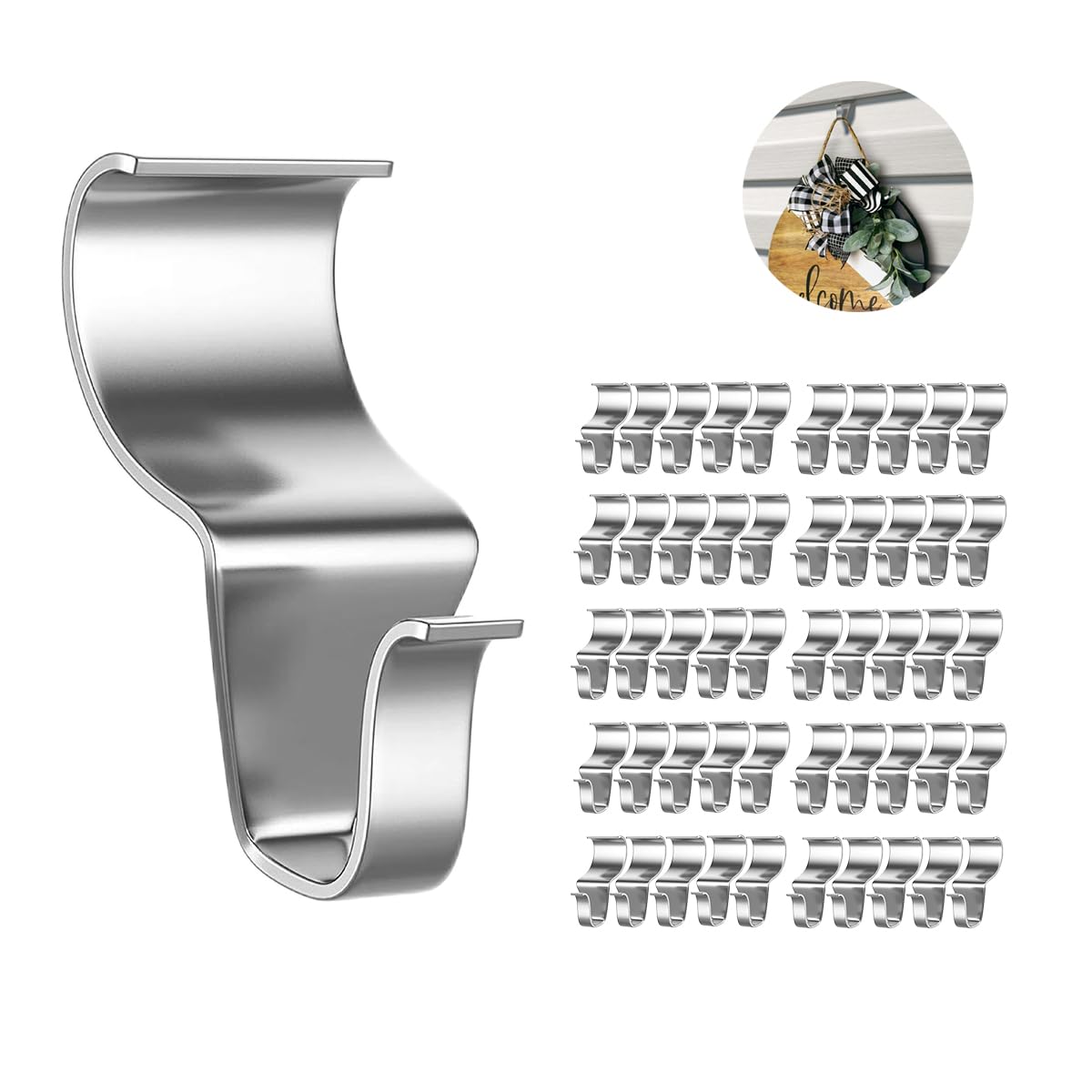
Another common mistake is improper placement of the cable clips. The positioning of clips is critical for both appearance and functionality.
- Spacing: Clips should be spaced adequately to prevent the cable from sagging. A general rule is to place clips every 12 to 18 inches for optimal support.
- Alignment: Ensure that the clips are aligned properly with the siding panels to avoid visible misalignment that can detract from the overall aesthetic.
- Avoiding Stress Points: Clips should not be placed where they can put undue stress on the siding, especially near seams and edges.
A case study in Florida illustrated this issue when a contractor placed clips too far apart, leading to cable droop. The resulting aesthetic damage prompted the homeowner to have the cables re-installed, incurring additional costs.
3. Over-tightening the Clips
One might think that securing clips tightly would be beneficial. However, over-tightening can lead to various problems:
- Cracking Siding: Vinyl siding can crack if the clips are over-tightened, especially in cold weather.
- Distortion: Excessive pressure can warp the siding, leading to an uneven appearance.
- Reduced Flexibility: Vinyl siding needs some room for expansion and contraction with temperature changes. Over-tightening restricts this necessary movement.
An example involved a contractor who over-tightened clips during installation in a cold climate, resulting in cracked panels that required replacement. It’s advised to hand-tighten clips to avoid this issue.
4. Neglecting Weatherproofing
Securely fastening cables is essential, but neglecting weatherproofing is another prevalent mistake. Inadequate weatherproofing can lead to moisture intrusion, which can cause mold and mildew.
- Sealant Use: Always use a weatherproof sealant around clips to prevent water from seeping behind the siding.
- Check for Gaps: Inspect for any gaps that might allow water to penetrate, particularly at clip attachment points.
- Regular Maintenance: Periodically check the clips and their sealants to ensure they remain effective over time.
A homeowner in Seattle faced significant water damage due to improperly sealed clips, leading to extensive repairs. Regular maintenance and inspection could have prevented this costly issue.
5. Failing to Follow Manufacturer Instructions
Each brand of vinyl siding may have specific guidelines for installing cable clips. Ignoring these instructions can lead to various problems:
- Warranties: Manufacturers often specify installation procedures that must be followed to maintain warranties. Failing to comply can void coverage.
- Recommended Products: Manufacturers may recommend specific clips or installation techniques that are tailored to their siding products.
- Installation Techniques: Some siding may require unique installation methods that differ from standard practices.
A contractor in New Jersey found that their choice to disregard the manufacturer’s recommendations for clip installation resulted in warranty issues when the siding showed signs of wear prematurely.
6. Ignoring Local Building Codes

Building codes vary by location, and failing to adhere to these regulations can lead to fines and the need for rework. Here’s what to keep in mind:
- Check Local Codes: Always check local building codes regarding cable installations to ensure compliance.
- Permit Requirements: Some areas may require permits for siding installation, including the use of cable clips.
- Consult Professionals: When in doubt, consult with local building officials or a contractor familiar with local codes.
A case in California involved a homeowner facing fines for not obtaining the necessary permits for siding installation, which included the use of cable clips. Understanding and complying with local regulations can save time and money.
Vinyl siding cable clips play a crucial role in securing cables and ensuring the longevity of siding installations. However, common mistakes can lead to aesthetic and functional issues that may result in costly repairs. By avoiding these pitfalls—such as using incompatible clips, incorrect placement, over-tightening, neglecting weatherproofing, disregarding manufacturer instructions, and ignoring local building codes—you can achieve a successful installation that will stand the test of time.
To summarize, always choose the right type of cable clips, place them correctly, avoid over-tightening, ensure proper weatherproofing, follow manufacturer instructions, and adhere to local building codes. By taking these steps, you can enjoy the benefits of vinyl siding without the headaches of improper installation.