Candy canes, with their iconic red and white stripes and sweet peppermint flavor, have become synonymous with the holiday season. The perfect giant candy cane stick is not merely a delightful treat but also a fascinating product of science and art. This article explores the chemistry, techniques, and craftsmanship involved in creating these festive confections, shedding light on the intricate processes behind their production.
The Ingredients: Understanding the Chemistry

The creation of a giant candy cane requires a precise combination of ingredients, each contributing to the final product’s texture, flavor, and appearance. The primary ingredients include:
- Sugar: The backbone of any candy, sugar provides sweetness and structure.
- Water: Essential for dissolving sugar and creating the syrup base.
- Corn syrup: Helps prevent crystallization, ensuring a smooth texture.
- Flavorings: Peppermint oil is the classic choice, but variations can include spearmint, vanilla, or fruit flavors.
- Food coloring: Used to achieve the traditional red and white stripes.
Understanding the chemistry of these ingredients is crucial. Sugar, when heated with water, undergoes a process called caramelization, which develops flavors and colors. The addition of corn syrup allows the sugar to dissolve more easily and helps maintain the candy’s integrity by preventing crystallization.
The Process: Crafting the Candy Cane
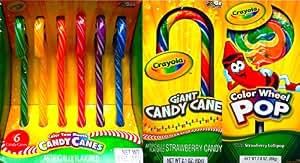
The process of making a giant candy cane stick is as much an art as it is a science. It typically involves several steps:
1. Cooking the Sugar Mixture
The first step is to combine sugar, water, and corn syrup in a large pot. This mixture is heated to a specific temperature, usually around 250°F (121°C), known as the hard crack stage. At this temperature, the sugar reaches a viscosity that allows it to be pulled and shaped without breaking.
2. Cooling and Flavoring
Once the mixture reaches the desired temperature, it is removed from heat and allowed to cool slightly. At this point, flavoring and coloring are added. The mixture is divided into portions: one for the white base and another for the red stripes. The red portion is typically colored with food coloring, ensuring an even distribution of color.
3. Pulling and Shaping
Pulling is a critical step that incorporates air into the candy, resulting in a lighter texture. Candy makers often use long hooks or candy pullers to stretch and fold the candy repeatedly. This not only enhances the texture but also helps cool the candy further.
4. Forming the Cane

Once the candy reaches the right consistency and temperature, it is shaped into the iconic cane form. This involves rolling the white and red portions together and twisting them to create the striped effect. The ends are tapered to form the traditional hook shape.
5. Cooling and Packaging
Finally, the candy canes are allowed to cool completely before being packaged. Proper cooling is crucial, as it ensures that the candy maintains its shape and does not become sticky or lose its firmness.
The Science of Texture: Why Size Matters

The size of a candy cane affects not only its visual appeal but also its texture and taste. Giant candy canes, in particular, require careful consideration of the following factors:
- Thicker Walls: A larger surface area means that the candy must be cooked to a precise temperature to ensure it hardens properly without becoming too brittle.
- Cooling Time: Larger candy canes take longer to cool, which can affect crystallization. If not cooled properly, they can become sticky and lose their appealing texture.
- Flavor Distribution: Ensuring that the peppermint flavor is evenly distributed throughout a larger candy cane can be more challenging than in smaller versions. This requires meticulous mixing during the flavoring phase.
Case Studies: The Art of Candy Making
Many candy makers and confectioners have perfected the art of creating giant candy canes. One notable example is the annual event held by the Fisher’s Candy Company in the United States, where they produce a giant candy cane measuring over 30 feet long. This event draws crowds who come to witness the intricate process and taste the final product.
Another case study is the famous “World’s Largest Candy Cane” created by a confectioner in Oregon, which weighed over 1,200 pounds. This impressive feat required collaboration among several candy makers, showcasing how teamwork and expertise can lead to extraordinary creations.
Statistics: The Popularity of Candy Canes

The popularity of candy canes is evident in various statistics:
- According to the National Confectioners Association, approximately 1.76 billion candy canes are produced each holiday season in the U.S. alone.
- A study revealed that over 90% of Americans consume candy canes during the holiday season, highlighting their cultural significance.
- Sales of candy canes have increased by 20% over the last decade, reflecting a growing interest in unique flavors and sizes, including giant versions.
The Future of Candy Canes: Innovations and Trends
The future of candy canes looks promising, with innovations constantly emerging in the candy-making industry. Here are some trends to watch:
- Flavor Innovations: While peppermint remains the classic choice, unique flavors like cinnamon, pumpkin spice, and even savory options are gaining traction.
- Healthier Alternatives: With rising health consciousness among consumers, there is a growing demand for sugar-free and organic candy canes.
- Custom Designs: Personalized candy canes for events, weddings, and corporate promotions are becoming increasingly popular.
The Sweet Science of Candy Canes

The perfect giant candy cane stick is a testament to the intricate science and artistry involved in candy making. From the chemistry of ingredients to the meticulous crafting process, every step contributes to the delightful experience of enjoying this holiday treat. As candy makers continue to innovate and adapt to consumer preferences, the humble candy cane will undoubtedly remain a cherished symbol of the festive season.
In summary, understanding the science behind candy canes not only enhances our appreciation for these confections but also highlights the skill and dedication of those who create them. Whether you’re a candy enthusiast or a casual consumer, the journey of the candy cane from kitchen to candy dish is a sweet story worth savoring.