In the world of pop culture, few icons have made a significant impact as Nicki Minaj. Known for her vibrant persona, unique fashion sense, and boundary-pushing music, Minaj has become a cultural phenomenon. One of the most exciting collaborations that showcased her influence was the release of the Nicki Minaj Barbie doll. This article delves into the behind-the-scenes process of creating this iconic doll, exploring the artistic decisions, marketing strategies, and cultural implications involved in its production.
The Concept: Why a Nicki Minaj Barbie Doll?
The idea of a Nicki Minaj Barbie doll emerged as a natural extension of her brand. Minaj has often referenced Barbie in her music and personal branding, symbolizing femininity, empowerment, and the idea of being unapologetically oneself. The collaboration with Mattel, the toy company behind Barbie, was a strategic move that aligned perfectly with both Minaj’s image and the brand’s evolution. Here are some key reasons behind the collaboration:
- Empowerment Symbolism: Minaj embodies a message of empowerment, particularly for women of color in the music industry. The doll serves as a representation of this message.
- Cultural Relevance: The Barbie brand has long been associated with beauty standards and cultural representation. Featuring a contemporary artist like Minaj allows Barbie to stay relevant in today’s market.
- Expansion of the Barbie Brand: By collaborating with a modern icon, Barbie aimed to attract a younger audience and diversify its product offerings.
The Design Process
The design of the Nicki Minaj Barbie doll was a meticulous process that required collaboration between Minaj, her team, and Mattel’s designers. The goal was to create a doll that not only resembled the artist but also captured her larger-than-life personality.
1. Conceptualization
Initially, the design team gathered inspiration from Minaj’s most iconic looks. The brainstorming phase included:
- Reviewing Minaj’s music videos and public appearances.
- Understanding her signature hairstyles, fashion choices, and makeup styles.
- Identifying key elements that fans associate with her brand.
2. Prototype Development
Once the concept was finalized, the team created prototypes. This stage involved:
- Sketching initial designs and getting Minaj’s feedback.
- Creating 3D models to visualize the doll’s look in detail.
- Adjusting features to ensure that they accurately represented Minaj while maintaining the classic Barbie aesthetic.
3. Finalizing the Design
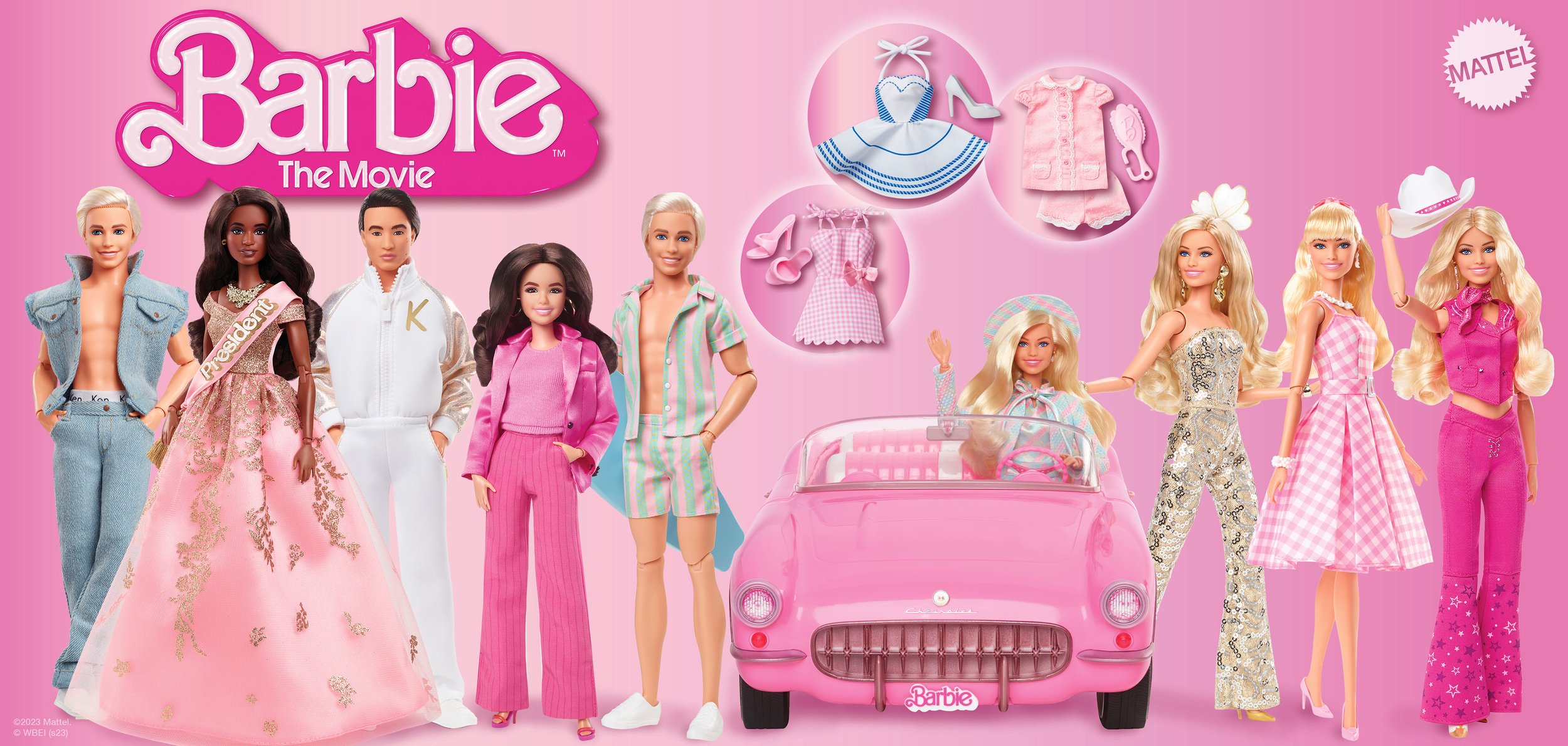
After several rounds of revisions, the final design was approved, featuring:
- A striking pink outfit reminiscent of Minaj’s fashion style.
- A bold hairstyle, which included the vibrant colors that she is known for.
- Accessories that aligned with her brand, such as oversized earrings and high heels.
Marketing Strategies: Building Hype
The launch of the Nicki Minaj Barbie doll was accompanied by an extensive marketing campaign that aimed to maximize exposure and engagement with fans. Here are some notable strategies:
1. Social Media Buzz
Minaj’s presence on social media played a crucial role in generating excitement:
- Teaser posts on Instagram and Twitter to reveal sneak peeks of the doll.
- Engaging fans with polls and questions about their favorite looks.
- Using hashtags like #NickiBarbie to create a sense of community among fans.
2. Strategic Partnerships
:max_bytes(150000):strip_icc():focal(749x0:751x2)/barbie-movie-look-alike-dolls-060223-05-bca4a31d1ede4d14b62109c5ced31280.jpg)
Mattel partnered with various influencers and media outlets to promote the doll:
- Collaborating with popular YouTube channels for unboxing videos.
- Involving fashion bloggers and influencers to showcase the doll on their platforms.
- Creating limited-edition dolls for charity auctions to enhance brand image.
3. Events and Launches
The launch event was a spectacle in itself, featuring:
- A pop-up shop themed around Minaj’s Barbie world.
- Live performances by Minaj to attract fans and media coverage.
- Exclusive merchandise and giveaways for attendees.
Reception and Impact

Upon its release, the Nicki Minaj Barbie doll received a mixed yet largely positive reception. Fans praised the doll’s design for its attention to detail and its ability to represent Minaj authentically.
1. Sales Performance
Sales figures indicated a strong demand for the doll:
- Within the first month, the doll sold out in several major retailers.
- Online platforms reported high traffic and demand, leading to restocks.
2. Cultural Significance
The doll sparked conversations about representation in toys:
- Many praised the doll for offering a more diverse representation of beauty.
- The collaboration helped to challenge traditional norms associated with Barbie.
3. Criticism and Challenges
Despite the success, the project faced criticism:
- Some felt that the doll did not fully encapsulate Minaj’s complex persona.
- Debates arose around the commercialization of celebrity culture.
A Cultural Milestone
The Nicki Minaj Barbie doll stands as a testament to the power of collaboration between pop culture icons and established brands. Through careful design, strategic marketing, and a focus on representation, this doll has not only become a collector’s item but also a symbol of empowerment and cultural evolution. As Nicki Minaj continues to break barriers in the music industry, her Barbie doll will remain a cherished embodiment of her legacy, reflecting the ongoing transformation of both the Barbie brand and societal beauty standards. This collaboration showcases how toys can transcend traditional boundaries and become instruments of cultural dialogue, offering young girls a myriad of possibilities and inspirations for their futures.