The world of narcotics trafficking has long captivated the public’s imagination, presenting a complex interplay of crime, power, and charisma. Narcos—drug lords and traffickers—often possess a magnetic appeal that transcends their illegal activities. This article delves into the enigmatic charm of narcos, examining their impact on society, culture, and the economy while exploring why they continue to fascinate audiences worldwide.
The Charisma of Narcos
Charisma is a potent tool wielded by narcos, enabling them to build empires and command loyalty among followers. This allure can be attributed to several factors, including their portrayal in media, the romanticization of their lifestyles, and their ability to manipulate public perception.
Media Portrayal
The representation of narcos in popular culture has significantly influenced societal perceptions. Films, television series, and documentaries often depict these figures as larger-than-life characters, blending elements of heroism and villainy. Notable examples include:
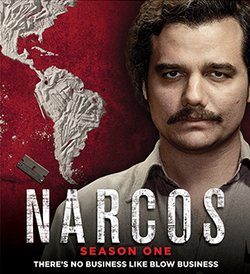
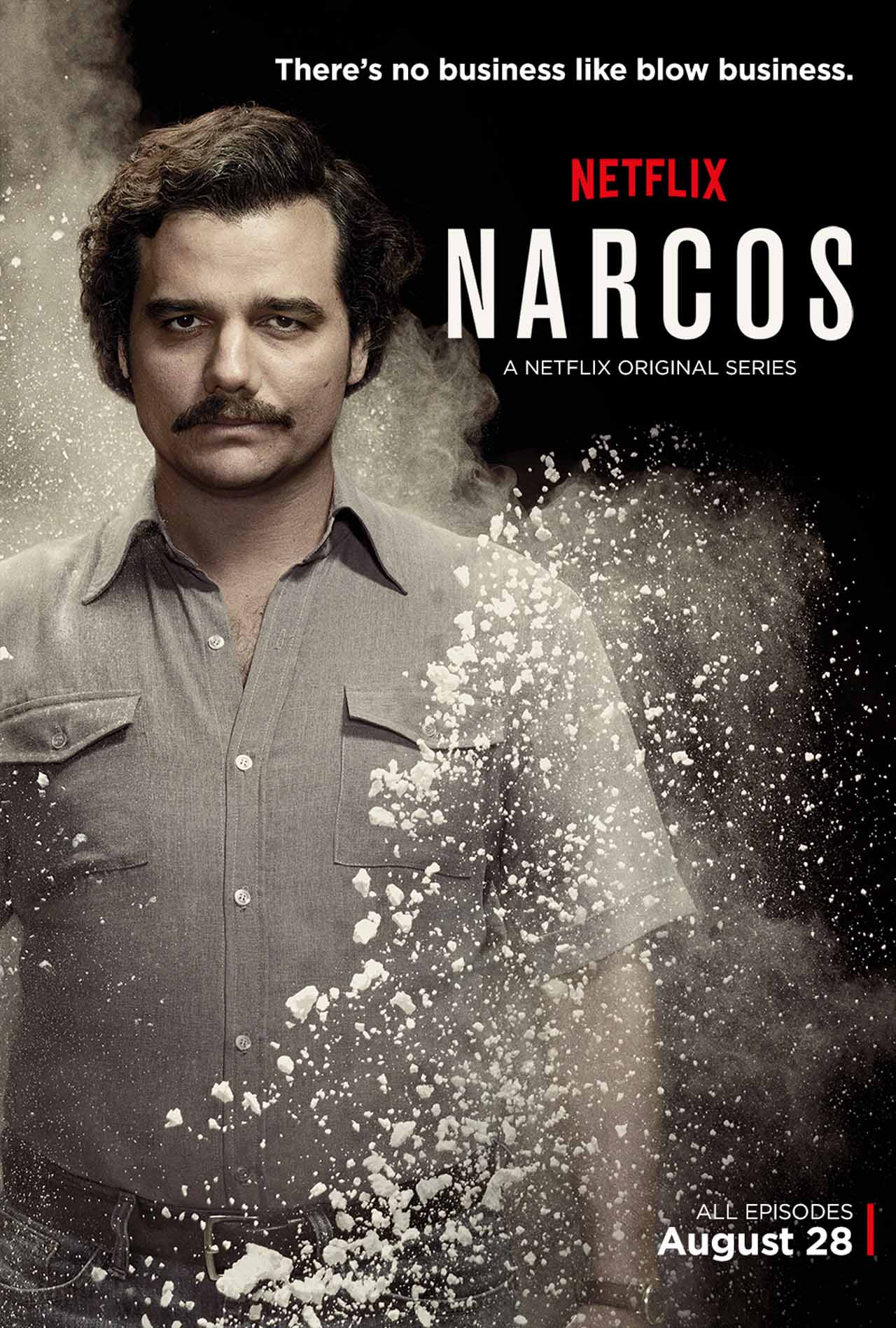
- Pablo Escobar: The infamous Colombian drug lord is often romanticized in shows like “Narcos,” where his charm and strategic brilliance overshadow the violence of his empire.
- El Chapo: Joaquín Guzmán, known as El Chapo, has been the subject of numerous films and series, presenting him as both a cunning businessman and a ruthless criminal.
- Escobar’s Legacy: The fascination surrounding Escobar has led to a tourism phenomenon in Colombia, where people visit sites associated with his life, seeking a glimpse into the world of narcos.
Romanticization of the Lifestyle

The allure of narcos is also fueled by the perception of wealth, power, and freedom that comes with their lifestyle. Many view these figures as rebels challenging the status quo, which can be appealing in a world constrained by societal norms. This romanticized view often overlooks the grim realities of drug trafficking, including violence and addiction, leading to a dangerous glorification of their actions.
The Societal Impact of Narcos

The influence of narcos extends beyond individual charisma; their actions have profound implications for society at large. Understanding this impact requires a multifaceted approach, considering both the negative and, surprisingly, some perceived positive effects.
Negative Consequences
The most evident impact of narcos is the violence and chaos they bring to communities. Drug trafficking is linked to numerous societal issues, including:
- Violence: Rivalries between drug cartels often lead to brutal killings, creating a climate of fear in affected areas.
- Corruption: Narcos frequently infiltrate law enforcement and political systems, undermining trust in institutions.
- Addiction: The proliferation of illegal drugs contributes to widespread addiction, affecting public health and safety.
Perceived Positive Effects
Interestingly, some argue that narcos can have unintended positive effects on local economies, albeit in a morally complicated context. These include:
- Job Creation: In some regions, narco-trafficking can provide jobs that are otherwise unavailable in struggling economies.
- Infrastructure Development: Drug money has been known to fund roads, schools, and hospitals in impoverished areas, albeit through illegal means.
- Cultural Identity: The narrative of narcos has become intertwined with regional identity, influencing music, art, and literature.
The Psychological Appeal

Understanding why narcos hold such fascination requires an exploration of psychological factors. Their ability to evoke strong emotions and responses in people plays a significant role in their allure.
Power Dynamics
Power is inherently attractive, and narcos embody a form of power that challenges traditional authority. This dynamic is often appealing to those who feel disenfranchised or powerless in their own lives. The following aspects contribute to this psychological grip:
- Rebellion Against Authority: Narcos often position themselves as anti-establishment figures, appealing to those who dislike conventional societal structures.
- Fear and Respect: The fear instilled by narcos can lead to a complicated form of respect, where individuals admire their audacity and unwillingness to conform.
- Identity and Belonging: For some, aligning with narco culture offers a sense of identity and belonging in a community that may feel marginalized.
The Role of Narratives and Storytelling
Storytelling plays a crucial role in shaping perceptions of narcos. The narratives surrounding their lives often blend fact and fiction, creating compelling stories that resonate with audiences. This storytelling can take various forms:
- Documentaries: Non-fiction accounts offer a glimpse into the lives of narcos, providing context and depth that fictional portrayals may lack.
- Music: Genres like narcocorridos—a form of Mexican music—celebrate the exploits of narcos, further embedding them in cultural consciousness.
- Social Media: The rise of social media has enabled narcos to curate their images and narratives, reaching wider audiences than ever before.
Case Studies: Narcos and Their Legacy
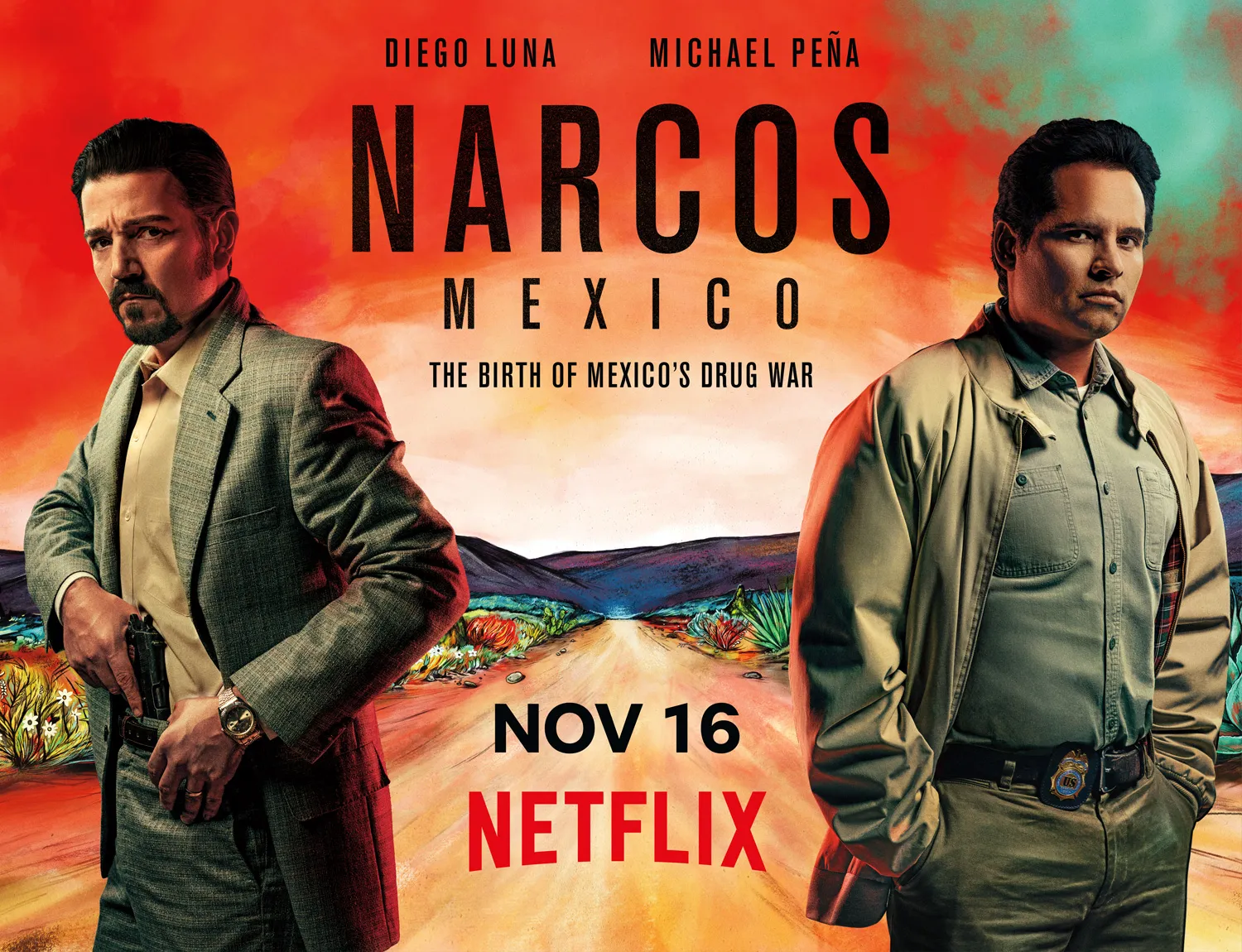
Examining specific case studies can provide deeper insights into the impact of narcos on society. Here are two prominent examples:
Pablo Escobar: The King of Cocaine
Pablo Escobar, often regarded as the most notorious drug lord in history, exemplifies the dark charisma of narcos. His rise to power in the 1980s was marked by a combination of ruthlessness and strategic brilliance. Key aspects of his legacy include:
- Influence on Colombian Culture: Escobar’s life has inspired countless movies, books, and songs, cementing his status as a cultural icon.
- Impact on Politics: His ability to buy off politicians and police officials showcased the deep-seated corruption in Colombia.
- Philanthropy: Escobar’s charitable endeavors, such as building housing for the poor, created a complicated legacy that blurred the lines between villain and benefactor.
Joaquín “El Chapo” Guzmán: The Modern Narco
El Chapo’s story further highlights the ongoing fascination with narcos. His dramatic escapes from prison and high-profile trials have kept him in the public eye. Notable points include:
- Media Sensation: El Chapo’s life has been chronicled in numerous documentaries and series, keeping his story alive in popular culture.
- Global Reach: His operations extended far beyond Mexico, impacting global drug markets and international relations.
- Continued Influence: Despite his incarceration, the Sinaloa Cartel remains a dominant force in drug trafficking, illustrating the persistent nature of narco influence.
The dark allure of narcos is a multifaceted phenomenon that encapsulates charisma, power, and societal impact. While their stories are often glamorized in media and culture, it is crucial to recognize the real-world consequences of their actions. The fascination with these figures reveals deeper societal issues, including the allure of rebellion, the complexities of power, and the consequences of poverty and corruption. Understanding the charisma of narcos provides valuable insights into human psychology and societal dynamics, prompting reflections on morality, legality, and the human condition. As long as their stories continue to be told, the dark allure of narcos will remain a compelling aspect of modern culture, serving as a reminder of both the seduction of power and the costs associated with it.