Go-karting is an exhilarating activity that offers young drivers the chance to experience the thrill of racing in a safe and controlled environment. However, safety should always be a priority, especially for kids around the age of 10. This article will provide essential safety tips for young go-kart enthusiasts, helping them navigate the track like a pro while minimizing risks.
Understanding Go-Karting Basics

Before diving into safety tips, it’s crucial to understand the basics of go-karting. Go-karts are small, motorized vehicles designed for racing. They can reach impressive speeds, making safety gear and precautions essential. Here are a few foundational points to consider:
- Types of Go-Karts: There are electric and gas-powered go-karts, each with different performance capabilities.
- Track Types: Go-kart tracks can be indoor or outdoor, with varying levels of complexity.
- Age and Size Restrictions: Many go-kart facilities have specific age and height requirements for safety.
Essential Safety Gear

Wearing the right safety gear is the first line of defense for young drivers. Here’s what every 10-year-old should wear when go-karting:
- Helmet: A properly fitting helmet is essential to protect the head during potential collisions or falls.
- Racing Suit: A lightweight, flame-resistant racing suit can protect against abrasions and burns.
- Gloves: Gloves help maintain grip on the steering wheel and protect hands from blisters.
- Closed-Toe Shoes: Sturdy, closed-toe shoes provide better control and prevent injuries to the feet.
- Neck Brace: A neck brace can help protect the neck from sudden movements during a collision.
Pre-Race Preparations
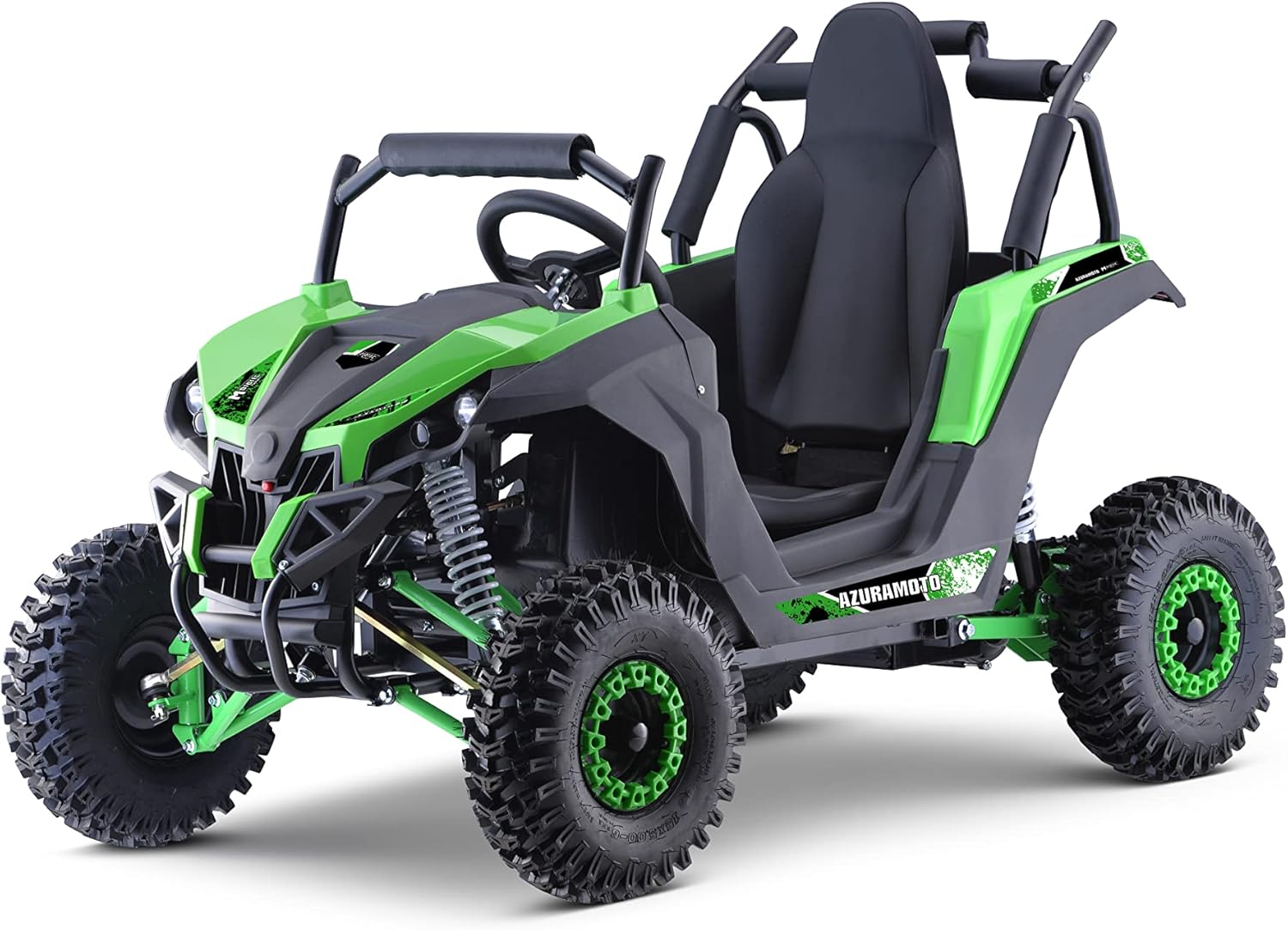
Before hitting the track, there are several crucial steps young drivers should follow to ensure their safety:
- Inspect the Kart: Check the kart for any visible issues such as loose parts, flat tires, or leaks.
- Understand the Controls: Familiarize yourself with the throttle, brake, and steering controls before driving.
- Review the Track Layout: Study the track design, including turns and straights, to anticipate your driving strategy.
- Listen to Briefings: Pay attention during safety briefings provided by the track staff.
On the Track: Driving Safely
Once on the track, adhering to safe driving practices is crucial. Here are some essential tips for 10-year-olds:
- Keep Both Hands on the Wheel: Always maintain a firm grip on the steering wheel with both hands.
- Maintain a Safe Speed: Avoid speeding, especially in turns. It’s better to drive at a manageable speed than to risk losing control.
- Use Signals: Learn to use hand signals to communicate with other drivers when changing lanes or slowing down.
- Stay Aware of Surroundings: Constantly check mirrors and stay aware of other karts on the track.
- Avoid Aggressive Driving: Don’t push other karts or engage in reckless maneuvers; this can lead to accidents.
Dealing with Accidents and Emergencies
Even with the best precautions, accidents can happen. Here’s how young drivers can respond:
- Stay Calm: In the event of an accident, staying calm can help in assessing the situation and responding appropriately.
- Signal for Help: Use hand signals or shout to track officials if assistance is needed.
- Follow Emergency Protocols: Familiarize yourself with the track’s emergency procedures before racing begins.
Post-Race Safety Checks
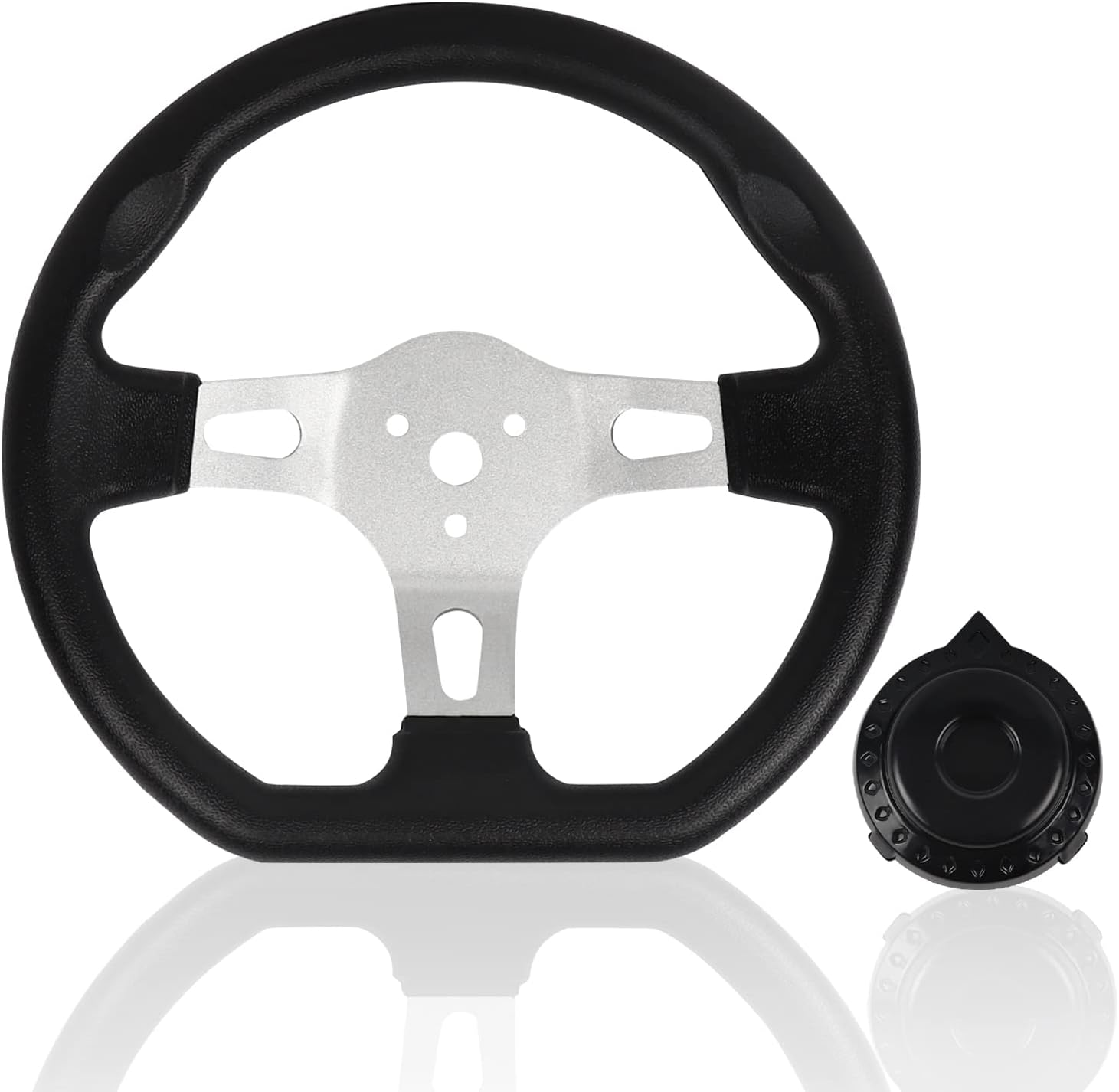
After finishing the race, it is vital to conduct a few post-race safety checks:
- Check for Injuries: Assess yourself for any injuries and report them to an adult or track staff immediately.
- Inspect the Kart Again: After driving, inspect the kart for any damage that might have occurred during the race.
- Hydrate: Drink water to stay hydrated, especially after an energetic race.
Parental Guidance and Supervision

Parents play a crucial role in ensuring their child’s safety while go-karting. Here are some ways parents can help:
- Supervise All Activities: Parents should supervise their children’s go-karting activities closely, ensuring they follow safety protocols.
- Set an Example: Demonstrate safe driving behaviors and encourage a positive attitude toward safety.
- Encourage Open Communication: Create an environment where children feel comfortable discussing any concerns or fears they may have about go-karting.
Statistics and Case Studies

According to a study conducted by the American Association of Pediatrics, go-karting can lead to injuries if safety precautions are not taken. The study found that children aged 10-14 made up a significant percentage of go-kart-related injuries, particularly those involving head and neck injuries. This emphasizes the importance of wearing appropriate safety gear and following safety guidelines.
In a case study from a popular go-karting facility, a young driver who adhered strictly to safety protocols, including wearing a helmet and following track rules, reported no injuries during the racing season. In contrast, another child who disregarded these protocols experienced a minor collision resulting in a sprained wrist.
Go-karting can be a thrilling and safe activity for 10-year-olds when proper safety measures are followed. By wearing appropriate safety gear, preparing adequately before racing, and practicing safe driving techniques on the track, young drivers can enjoy the excitement of go-karting while minimizing risks. Parents and guardians play a vital role in supervising and guiding their children, ensuring that safety remains the top priority.
In summary, the key takeaways for young go-kart enthusiasts are:
- Always wear the appropriate safety gear.
- Understand the basics of go-karting and the track layout.
- Practice safe driving techniques while on the track.
- Be prepared to handle emergencies calmly and correctly.
- Follow up with post-race safety checks and communicate with parents.
By following these safety tips, young drivers can experience the thrill of go-karting like a pro while ensuring their well-being. Happy racing!