Foot sink pedals have become a revolutionary tool in various industries, from healthcare to manufacturing. These devices, designed to allow operators to control machinery and tools without using their hands, provide an array of benefits that enhance productivity and efficiency. In this ultimate guide, we will explore the various features, benefits, and use cases of foot sink pedals, allowing you to make informed decisions about their implementation in your workspace.
What is a Foot Sink Pedal?

A foot sink pedal is a device that enables users to control equipment or machinery using their feet. Typically, they consist of a pedal or a series of pedals that can be pressed or held down to perform specific actions, such as starting and stopping machines, activating tools, or even triggering complex sequences in automated systems. Often used in conjunction with ergonomic designs, foot sink pedals allow operators to maintain their hands for other tasks, thereby optimizing workflow.
Key Features of Foot Sink Pedals

Understanding the features of foot sink pedals is essential in evaluating their suitability for your needs. Here are some critical features to consider:
- Ergonomic Design: Foot sink pedals are often designed to reduce strain on the operator’s body, allowing for prolonged use without discomfort.
- Customizable Inputs: Many models allow users to customize the pedal’s functions, enabling them to control different machines or tools based on specific requirements.
- Durability: Foot pedals are typically built to withstand heavy use, often featuring materials that resist wear and tear.
- Footprint: Compact designs make it easier to fit foot pedals into workspaces without requiring additional room.
- Compatibility: Most foot sink pedals are compatible with a variety of devices, enhancing their versatility across different platforms.
Benefits of Using Foot Sink Pedals

Implementing foot sink pedals into your workspace can yield numerous advantages:
- Increased Efficiency: By freeing up the operator’s hands, foot pedals allow for multitasking, which can significantly increase productivity.
- Improved Safety: With hands free, operators can focus on the task at hand, reducing the risk of accidents caused by distractions.
- Enhanced Ergonomics: Foot pedals promote a more natural posture, helping to reduce repetitive strain injuries associated with traditional hand-operated tools.
- Streamlined Workflow: With the ability to control multiple functions through foot pedals, workflows can be streamlined, minimizing downtime and enhancing overall operational efficiency.
- Versatile Applications: Foot sink pedals can be used in various settings, including medical, industrial, and office environments, making them a valuable addition to any workspace.
Case Studies: Real-World Applications of Foot Sink Pedals
To better illustrate the benefits of foot sink pedals, let’s examine some real-world applications and case studies:
1. Healthcare Settings

In hospitals and clinics, foot sink pedals are often used by surgeons and nurses. For example, in a surgical setting, a surgeon can control surgical lights or camera systems with their feet, allowing them to maintain sterility and focus on the procedure. According to a study published in the Journal of Surgical Research, using foot pedals in surgical settings reduced the time taken for certain procedures by 15% due to improved multitasking capabilities.
2. Manufacturing and Assembly Lines
In manufacturing environments, foot sink pedals can control machinery such as conveyor belts or robotic arms. An automotive assembly line implemented foot pedals to operate various tools, resulting in a 20% increase in production speed. Workers reported less fatigue and a lower incidence of repetitive stress injuries, contributing to a healthier workplace.
3. Office Environments
Even in office settings, foot sink pedals can enhance productivity. For example, transcriptionists can use foot pedals to control audio playback, allowing them to transcribe documents more efficiently. A survey conducted by the National Association of Professional Transcriptionists found that 75% of professional transcriptionists who used foot pedals reported a significant decrease in transcription time, leading to increased output and profitability.
How to Choose the Right Foot Sink Pedal

Selecting the proper foot sink pedal involves considering several factors:
- Intended Use: Determine what tasks you will be using the pedal for and choose one that offers the necessary functionalities.
- Compatibility: Ensure that the pedal is compatible with the machines or tools you intend to use it with.
- Footprint and Design: Evaluate the space available in your workspace and choose a pedal that fits comfortably.
- Durability and Quality: Invest in a high-quality pedal that can withstand daily use and is built from durable materials.
- Price: While it’s essential to stay within budget, remember that a more expensive pedal may offer better features and longevity.
Maintenance of Foot Sink Pedals
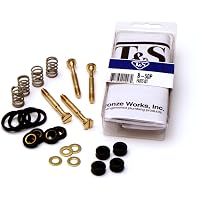
Proper maintenance of foot sink pedals is crucial to ensure longevity and functionality. Here are some maintenance tips:
- Regular Cleaning: Keep the pedal clean to avoid buildup that could affect performance. Use a damp cloth and mild detergent for cleaning.
- Inspect for Wear: Regularly check for signs of wear, such as cracks or loose components, and replace them as needed.
- Test Functionality: Periodically test the pedal to ensure it is working correctly and responding to inputs as expected.
Foot sink pedals represent a significant advancement in operational efficiency and safety across various industries. Their ergonomic design, customizable functionalities, and versatility make them an invaluable tool for enhancing productivity. By understanding their features, benefits, and real-world applications, businesses can make informed decisions about integrating foot sink pedals into their workflows. Whether in healthcare, manufacturing, or even office environments, the advantages of these tools are evident, leading to improved efficiency, safety, and worker satisfaction. In the evolving landscape of technology and workplace ergonomics, foot sink pedals stand out as a smart investment for the future.