Eating fresh fruits and vegetables is essential for maintaining a healthy diet. However, many consumers overlook the importance of properly washing these foods before consumption. This guide delves into effective techniques for washing fruits and vegetables, the potential risks of not doing so, and tips for ensuring that your produce is safe and clean.
Why Washing Fruits and Vegetables is Crucial
Fruits and vegetables can harbor dirt, bacteria, pesticides, and other contaminants that pose health risks. According to the Centers for Disease Control and Prevention (CDC), an estimated 48 million people in the United States get sick from foodborne illnesses each year, with fruits and vegetables being a significant contributor. Here are some reasons why washing your produce is essential:
- Eliminating Dirt and Debris: Fresh produce often carries soil, which can harbor bacteria and other pathogens.
- Reducing Pesticide Residue: Many fruits and vegetables are treated with pesticides. Washing can help remove these residues.
- Preventing Foodborne Illness: Thorough washing can reduce the risk of bacteria such as E. coli and Salmonella.
Common Contaminants Found on Produce
Understanding what you might be washing off your fruits and vegetables can help emphasize the importance of proper cleaning techniques. Some common contaminants include:
- Bacteria: Including E. coli, Salmonella, and Listeria.
- Pesticides: Chemical residues from agricultural practices.
- Dirt and Soil: Naturally occurring contaminants that can be harmful.
- Wax: Used to preserve freshness in some fruits, such as apples.
How to Wash Fruits and Vegetables Properly

Washing fruits and vegetables is not a one-size-fits-all process. Different types of produce require different washing methods. Below are guidelines tailored to various categories of fruits and vegetables.
Leafy Greens
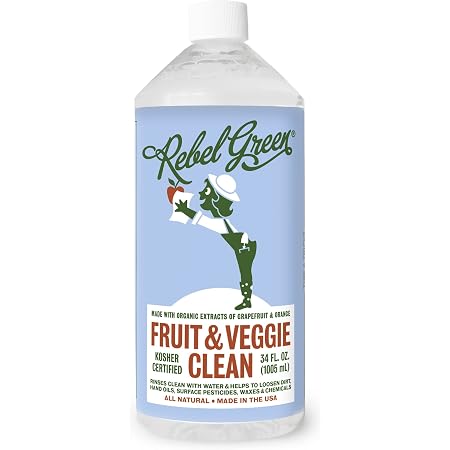
Leafy greens, such as spinach and kale, can trap dirt and insects in their crevices. Follow these steps for thorough cleaning:
- Fill a large bowl or sink with cold water.
- Add the leafy greens and let them soak for a few minutes.
- Gently agitate the greens to dislodge dirt.
- Rinse under cold running water, ensuring all leaves are cleaned.
- Dry using a salad spinner or clean towel.
Fruits with Skin (Apples, Pears, etc.)

Fruits with skin should be washed thoroughly to remove any surface contaminants. Here’s how:
- Rinse under cold running water while scrubbing gently with a clean brush.
- For waxy fruits, you may use a mixture of water and vinegar (1 part vinegar to 3 parts water) and soak for 5-10 minutes.
- Rinse again under cold water to remove any vinegar residue.
Root Vegetables (Carrots, Potatoes, etc.)

Root vegetables often carry significant dirt and should be washed thoroughly:
- Use a vegetable brush to scrub the surface under running water.
- Remove any visible dirt and debris.
- Peel if desired, but washing is still essential even if you plan to peel them.
Berries and Other Delicate Fruits
Delicate fruits like berries require gentle washing to avoid bruising:
- Place berries in a colander and rinse under cold running water.
- Gently shake the colander to help remove any remaining dirt.
- Pat dry with a clean towel or let them air dry.
Common Mistakes When Washing Produce
Even with the best intentions, some common mistakes can hinder effective washing:
- Using Soap: Soap can leave harmful residues on food. Stick to water or vinegar solutions.
- Washing Before Storing: Washing fruits and vegetables before storing can promote spoilage. Wash them just before consumption.
- Not Drying Completely: Moisture can promote bacterial growth, so dry your produce after washing.
Using Vinegar and Baking Soda: Do They Help?

Many people recommend using vinegar or baking soda for washing produce. Here’s a closer look:
- Vinegar: A mixture of 1 part vinegar to 3 parts water can help reduce bacteria on the surface of produce.
- Baking Soda: Studies have shown that a baking soda solution can effectively remove pesticide residues.
However, it’s important to rinse thoroughly after using these solutions to avoid any residual taste or chemical interaction.
Case Studies: The Impact of Proper Washing
Several studies have emphasized the importance of proper washing techniques:
- A 2017 study published in the “Journal of Food Protection” found that washing fruits and vegetables reduced the presence of E. coli by up to 99%.
- Research from the University of Massachusetts showed that rinsing produce in vinegar solutions was effective in removing pesticide residues as opposed to plain water.
When to Avoid Washing Produce
There are instances where washing is not recommended:
- Mushrooms: They absorb water and may become soggy. Instead, use a damp cloth to wipe clean.
- Pre-packaged produce: Some pre-washed salad greens and fruits are ready to eat and do not require further washing.
The Path to a Clean Plate

Properly washing fruits and vegetables is a crucial step to ensuring food safety and promoting health. With the potential for contaminants ranging from dirt to pesticides, taking the time to wash your produce can prevent foodborne illnesses and enhance the quality of your meals.
By following the guidelines outlined in this guide, you can enjoy fresh, clean produce that contributes to a balanced diet. Remember to employ specific washing techniques for different types of produce and avoid common mistakes. As you incorporate these practices into your routine, you’ll find that a clean plate is not just a goal but an achievable reality.